
Best Forex Brokers in Nigeria for Beginners and Professionals
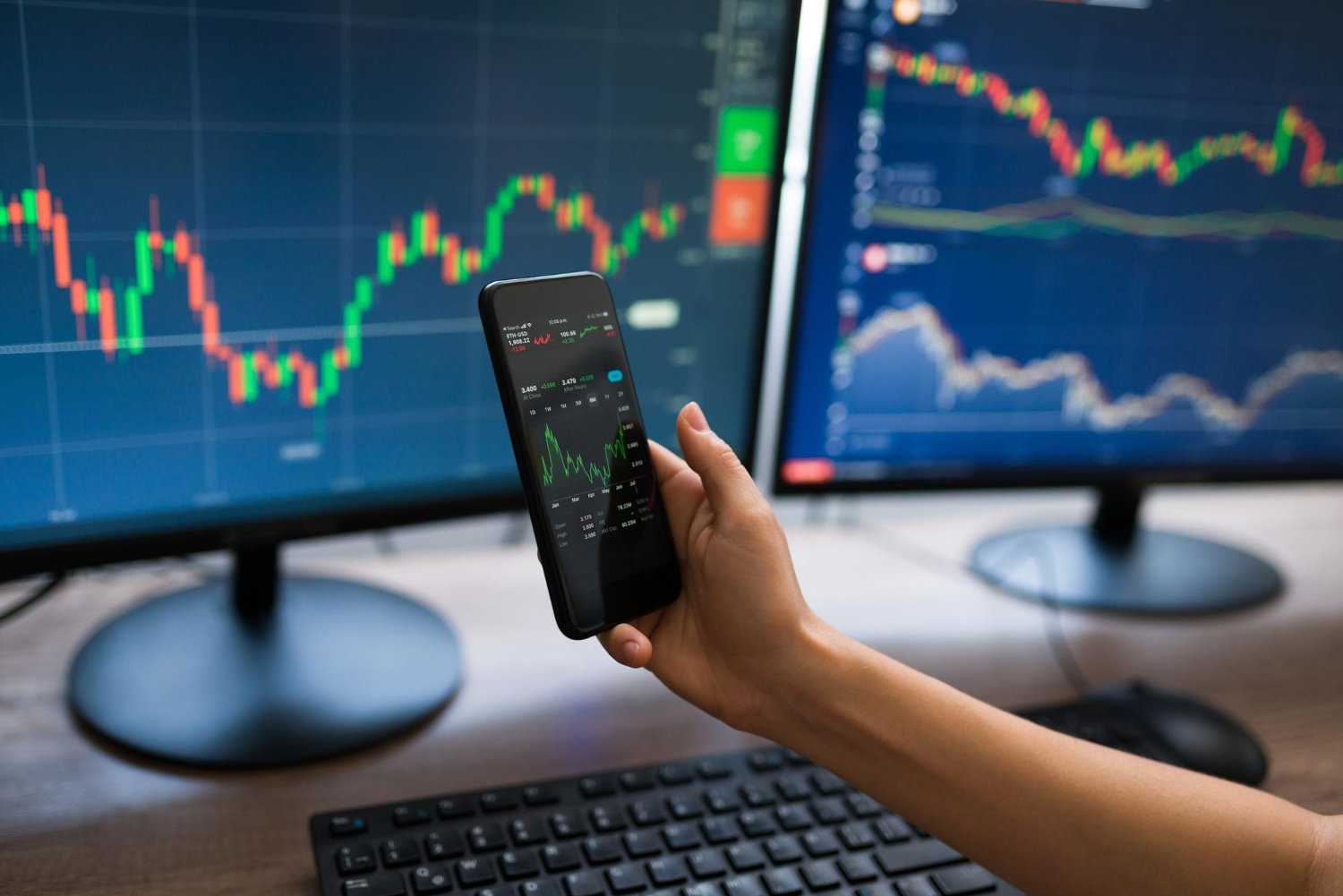
Forex trading has experienced substantial growth in Nigeria, presenting lucrative opportunities for both novice and experienced traders. This guide examines the complexities of the Nigerian Forex market, including essential regulations and guidelines. It offers insights into selecting the most suitable Forex broker to meet individual needs, provides foundational tips to initiate a trading journey, and reveals advanced strategies for achieving professional success. Whether one is embarking on their trading career or seeking to enhance existing skills, this article delivers valuable insights for all participants in the market.
Understanding Forex Trading in Nigeria
Forex trading in Nigeria has experienced considerable growth in recent years, emerging as a prominent investment opportunity for both novice and experienced traders seeking to engage with the dynamic Forex market.
The advent of online trading platforms has provided Nigerian traders with access to a diverse range of currency pairs, trading tools, and educational resources aimed at enhancing their trading experience.
As the Forex market continues to evolve, it is imperative to understand the relevant regulations and market dynamics to achieve success. This development also underscores the importance of a thorough understanding of fund safety, user reviews, and the specific challenges that traders in Nigeria may encounter.
Overview of the Nigerian Forex Market
The Nigerian Forex market is a dynamic and rapidly expanding segment of the financial landscape, distinguished by a variety of currency pairs and ever-evolving trading conditions. Forex trading in Nigeria is influenced by numerous economic indicators and market volatility, necessitating that traders remain informed and adjust their strategies accordingly.
Traders frequently engage with major currency pairs, such as the Nigerian Naira against the US Dollar and the Euro, which reflects the significant economic relationships Nigeria maintains with these regions. Key local economic indicators, including inflation rates, GDP growth, and oil production levels, play a critical role in shaping trading sentiment and influencing overall market movements.
The fluctuating value of the Naira relative to foreign currencies can lead to significant volatility, presenting both opportunities and risks. It is essential for Nigerian traders to comprehend these factors as they navigate this complex and often unpredictable environment, with the objective of capitalizing on market fluctuations to achieve potential profits.
Regulations and Guidelines for Forex Trading
Navigating Forex regulations in Nigeria is essential for ensuring a safe and compliant trading environment. The Central Bank of Nigeria (CBN) and other regulatory bodies oversee Forex trading activities, promoting transparency and fostering a trustworthy relationship between regulated brokers and traders.
Understanding the regulatory landscape enables traders to make informed decisions regarding trading costs, broker reputation, and the safety of their funds.
These guidelines establish a framework within which brokers operate, ensuring adherence to ethical standards and protection for traders against fraudulent practices. For example, regulated brokers are required to maintain specific capital requirements and segregate client funds, thereby enhancing overall market integrity.
Familiarity with trading costs, including spreads and commissions, is imperative, as these factors can significantly influence trading strategies and profitability. As traders become more knowledgeable about the nuances of these regulations, they can better adapt their approaches to Forex trading, optimizing their chances for success within a structured and secure environment.
Choosing the Best Forex Broker in Nigeria
Selecting the most suitable Forex broker in Nigeria is a crucial step for traders seeking success in the competitive Forex market.
Given the multitude of options available, it is imperative to assess regulated brokers based on various factors, including the types of trading accounts offered, the quality of customer support, and the overall reputation of the broker.
A comprehensive comparison of brokers can provide valuable insights into trading costs, available trading platforms, and user reviews, thereby enabling traders to make informed decisions.
Factors to Consider
When selecting a Forex broker in Nigeria, several critical factors must be meticulously evaluated to ensure a positive trading experience. Key considerations include the trading platforms provided, the leverage and spreads available, as well as the commission structures and minimum deposit requirements.
A thorough understanding of the broker’s withdrawal methods is essential, as it directly influences your ability to access funds in an efficient manner.
The reputation and regulatory compliance of the Forex broker are fundamental in safeguarding your investments. A well-regulated broker ensures that your funds are managed securely, thereby promoting a fair and transparent trading environment.
Additionally, it is imperative to assess the quality of customer support, as responsive and knowledgeable assistance can significantly impact decision-making during periods of heightened market volatility.
Traders should also take into account the educational resources and research tools provided by the broker, which are instrumental in facilitating knowledge-based decision making.
By considering these factors, traders can align their individual needs with the most suitable broker, ultimately enhancing their prospects for success in the dynamic Forex market.
Top Forex Brokers in Nigeria
Identifying the leading Forex brokers in Nigeria requires a thorough analysis of their performance, user reviews, and the trading conditions they provide. Brokers specializing in Electronic Communications Network (ECN) and Straight Through Processing (STP) are often preferred due to their transparent pricing structures and efficient order execution, making them suitable options for both novice and experienced traders.
Plus operational efficiency, these brokers offer access to a diverse array of trading instruments, including currency pairs, commodities, and indices, which can significantly diversify traders’ portfolios.
The availability of educational resources, responsive customer support, and trading platforms tailored to individual preferences are also critical factors in selecting the most suitable broker.
It is essential for traders to carefully consider these features alongside any potential drawbacks, such as high spreads or restricted withdrawal options, to ensure they make informed decisions that align with their trading strategies and objectives.
Tips for Beginners in Forex Trading
For individuals who are new to Forex trading, comprehending effective Forex trading strategies is essential for establishing a solid foundation.
Utilizing demo accounts allows novice traders to practice their skills without the risk of losing real capital. Furthermore, accessing educational resources can significantly enhance their understanding of market trends, trading psychology, and risk management techniques.
Getting Started and Building a Strategy
Initiating a career in Forex trading necessitates a robust strategy that encompasses various components, including market analysis, risk management, and the application of trading tools. It is essential for beginners to familiarize themselves with both technical and fundamental analysis to make informed trading decisions and formulate a comprehensive Forex trading strategy.
Technical analysis entails the examination of price charts, the utilization of indicators such as moving averages or the Relative Strength Index (RSI), and the identification of patterns to predict future price movements. Conversely, fundamental analysis emphasizes the consideration of economic indicators, geopolitical events, and interest rate fluctuations that can impact currency values.
By integrating both analyses, traders—whether newcomers or seasoned professionals—can develop a well-rounded strategy. Effective risk management practices, such as setting stop-loss orders and determining appropriate position sizes, are critical for minimizing potential losses while maximizing trading opportunities.
Through the integration of these methodologies and tools, traders can enhance their skill sets and navigate the dynamic Forex market with greater confidence.
Common Mistakes to Avoid
Beginners in Forex trading frequently encounter pitfalls that can impede their success, making it essential to understand the common mistakes to avoid. Issues pertaining to trading psychology, insufficient risk management, and the underestimation of trading costs can lead to substantial losses. Furthermore, relying solely on trading alerts or Forex signals without conducting proper analysis may result in poor decision-making.
To effectively navigate these challenges, it is crucial for inexperienced traders to develop a mindset centered on discipline and emotional control. Many novice traders tend to rush into trades driven by greed or fear, overlooking the significance of a well-structured trading plan.
Incorporating risk management techniques, such as setting stop-loss orders and limiting the risk to a small percentage of their capital on each trade, can significantly help in mitigating potential losses. Additionally, understanding the true costs associated with trading—such as spreads and commissions—can prevent unexpected financial setbacks.
A comprehensive approach to trading promotes continuous learning, encourages an open-minded perspective, and allows for the adaptation of strategies based on prevailing market conditions, ultimately establishing a solid foundation for long-term success.
Advanced Strategies for Professional Traders
For professional traders in the Forex market, the implementation of advanced trading techniques can substantially improve trading performance and profitability.
Strategies such as automated trading utilizing Forex robots and the utilization of trading signals can offer a competitive advantage, allowing traders to better capitalize on market fluctuations.
Technical Analysis and Risk Management
Technical analysis is a fundamental component of professional Forex trading, as it involves the systematic evaluation of market data to forecast future price movements. When combined with effective risk management techniques, traders are better equipped to navigate market volatility and make informed decisions utilizing various trading tools and Forex analytics.
By employing a range of indicators such as moving averages, Fibonacci retracement levels, and the relative strength index (RSI), traders can gain valuable insights into market trends and identify potential entry and exit points.
Additionally, the utilization of chart patterns and candlestick formations can significantly enhance their ability to predict market behavior. A thorough understanding of how to interpret these tools not only aids in identifying opportunities but also assists in the establishment of stop-loss orders and risk management strategies, ultimately protecting their investments.
The diligent application of technical analysis enables traders to make calculated decisions rather than relying on emotional responses, ensuring they maintain a competitive edge in the dynamic field of Forex trading.
Expert Tips for Success
Expert recommendations for achieving success in Forex trading highlight the importance of maintaining a robust trading psychology and staying informed about market trends. Professionals consistently underscore the necessity of continuous learning and adapting to new trading alerts and Forex news to refine their strategies and enhance their overall trading experience.
In the highly volatile environment of Forex, psychological resilience is critical for a trader’s ability to manage emotions such as fear and greed, which can lead to impulsive decision-making. Traders should prioritize developing a disciplined approach to their trading activities, utilizing risk management techniques to protect their capital effectively.
Moreover, keeping abreast of global economic indicators and geopolitical events is essential, as these factors can significantly influence currency movements. By routinely reviewing educational resources and market analysis, traders at all experience levels can cultivate a comprehensive understanding of market dynamics, thereby enabling themselves to make informed decisions that align with their trading objectives.